
Travel
Traveling With an Australian Shepherd: A Practical Road Trip Guide
A good road trip starts before the bags go in the car. Build a plan around the dog you have, with a secure ride, manageable stops, and room to rest.
By The Aussie Standard · Updated October 2026
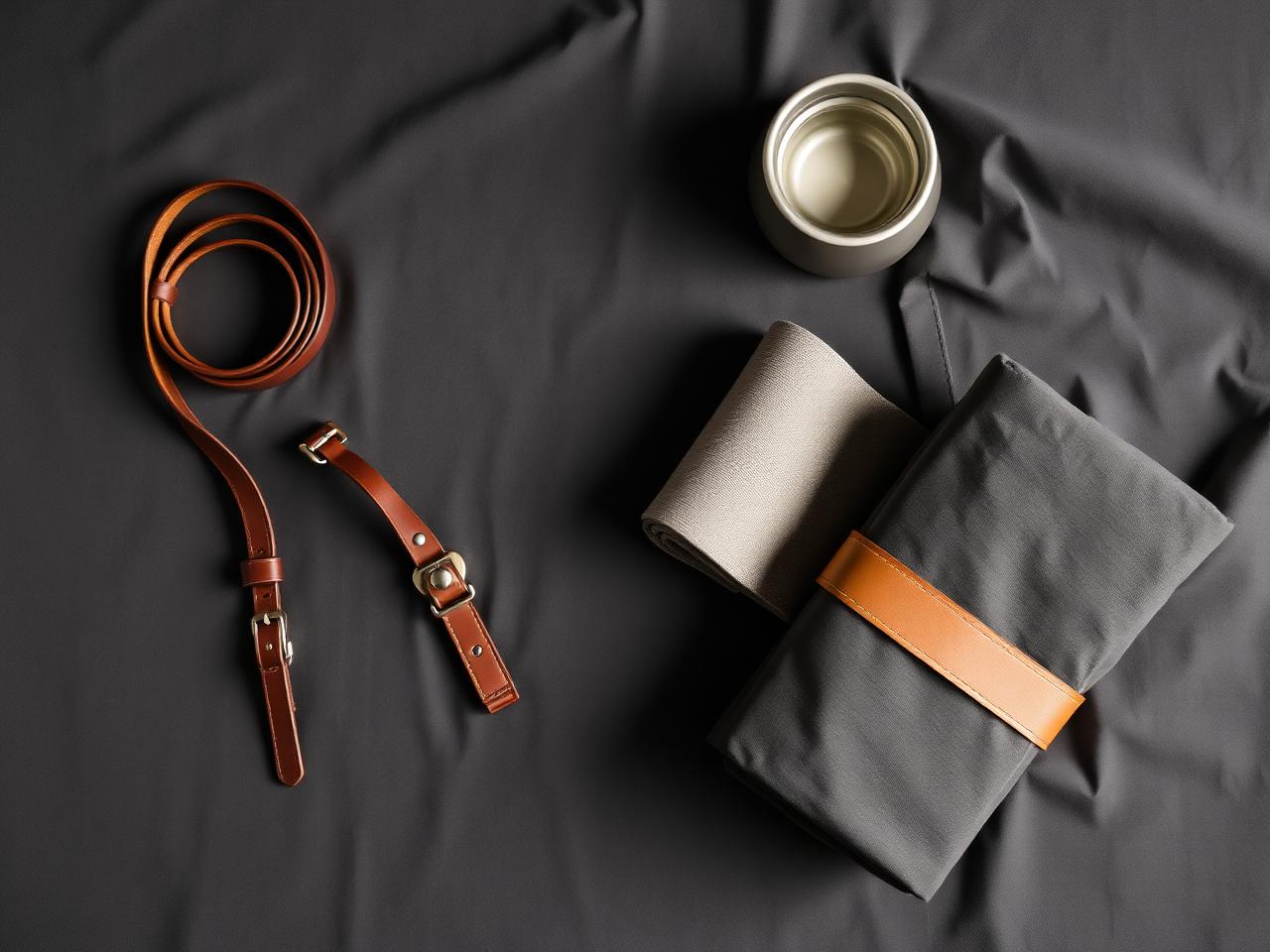
Packing for an Aussie can quickly turn into packing for every possible adventure. Before adding another toy or another hike to the schedule, answer three questions: where will your dog ride, where will you stop, and where will your dog rest when you arrive?
This guide focuses on road trips. Use it as a planning framework, then adjust it for your dog's age, travel experience, and comfort around unfamiliar places. A quiet weekend with a familiar walking route can be a better first trip than a packed itinerary.
Start with the trip your dog can handle
Think beyond whether a destination allows dogs. Picture the actual day: the parking lot, the lobby, the walk to the room, and the route to a toilet area. If your dog needs space from other dogs, choose a layout that makes that possible. If the trip involves several dogs, check that each has a workable place in the vehicle and somewhere to settle at the destination.
Write down your nonnegotiables before booking. These might include ground-floor access, a nearby walking area, or being able to eat with your dog alongside you. Keep one optional outing in reserve instead of filling every hour.
Practice before the long drive
Introduce the travel crate or harness before departure day. Build up through brief, comfortable sessions and short drives. If your dog becomes anxious, reduce the difficulty instead of simply driving farther. Cornell's travel guidance recommends gradual acclimation and professional help when progress stalls.
Use a rehearsal to test your own setup too. Can you reach the leash without opening the luggage? Can you load the crate without rearranging everything? A local outing reveals inconvenient details while you still have time to change them.
Drooling or vomiting during drives warrants a conversation with your veterinarian about motion sickness. Ask about feeding and any medication before the trip; do not improvise with human medicines or sedatives.
Set up a secure place in the car
Choose a vehicle harness, crate, or carrier appropriate for your dog's size and your vehicle. Consult the Center for Pet Safety's current product information and the manufacturer's fit and installation instructions. Check the exact model and size rather than relying on a general crash-tested marketing claim.
The Center for Pet Safety warns against extension tethers and zipline attachments because the added movement can undermine crash protection. Avoid adding these to a restraint system. A seat cover protects upholstery; it is not a substitute for securing the dog.
Dogs should not roam around the vehicle or ride with their heads outside the window. Never leave a dog alone in a parked car. Plan human meal and bathroom stops accordingly; cracked windows do not make a parked car a safe waiting area.
Pack a small bag you can actually reach
Separate the supplies for the drive from the bags for the stay. Put the stop bag where you can reach it while parked, without unloading the trunk. The CDC's pet travel checklist is a useful starting point.
- For stops: water, a bowl, leash, waste bags, and a towel.
- For meals: familiar food, portions, and feeding supplies.
- For the stay: familiar bedding and a favorite toy for supervised downtime.
- For identification: current ID, updated microchip contact details, and a recent photo.
- For health needs: prescribed medication, veterinary records, and required travel documents.
- For problems: first-aid supplies and contact details for your veterinarian and a local emergency clinic.
Label separate food and medication supplies when traveling with more than one dog. Before buying extra accessories, check what you already use reliably at home. Our Aussie gear guide can help organize the broader kit.
Make rest stops simple
Plan frequent opportunities for toilet breaks, water, and movement. Stop sooner when your dog needs it; a route estimate is not a schedule your dog has to meet.
While parked, secure the leash before giving your dog access to an open exit. Choose space away from traffic and busy entrances, and keep the dog leashed. The goal is a useful break, not a greeting with every dog at the rest area.
Save a few possible stops along the route so you have alternatives if one is crowded. With several dogs, decide who handles each leash before opening doors. If loading everyone calmly is difficult, rehearse that part at home.
Confirm the overnight details
Ask the property directly about dog limits, size restrictions, fees, toilet areas, and whether dogs may ever be left in the room. Get the answers before you pay. Pet-friendly is an invitation to check the details, not a complete description of the stay.
Plan an uncomplicated arrival: unpack the essentials, show your dog the resting space, and leave the ambitious outing for another time. Put the bed somewhere that works for the room's layout rather than directly in the path to the door.
Bring a familiar, quiet activity for supervised downtime. Our enrichment guide offers ideas you can adapt to a small space. Keep the daily plan flexible; our exercise guide explains how activity and rest fit together.
Do one final check before leaving
Check destination entry requirements before interstate or international travel, including any required health documents. Confirm the route, weather, accommodation, and your dog's setup again shortly before departure.
Then make the plan easy to use: one reachable stop bag, one saved list of stops, and one clear arrival routine. You should be able to spend the trip enjoying your dog instead of searching through luggage.
Sources and further reading
Sources checked October 7, 2026. Check current destination and accommodation policies before booking.
- CDC: Pet Travel Safety — identification, supplies, car travel, and destination preparation.
- Cornell University College of Veterinary Medicine: Traveling safely with your dog — acclimation and travel-related veterinary concerns.
- Center for Pet Safety: Extension Tether Safety Warning — restraint accessories and links to certified products.
Educational disclaimerThis guide provides general educational information. Ask your veterinarian about your dog's fitness for travel, motion sickness, anxiety, medication, and required health documents.
The Aussie Gear Guide
The evergreen equipment list — harnesses, crates, beds, grooming tools, travel and cleaning gear for Aussie households.
Read MoreHow Much Exercise Does an Australian Shepherd Need? A Realistic Daily Guide
Australian Shepherds need daily movement, mental work, and practice settling. Here is how to build a routine that meets the breed without creating an athlete who never switches off.
Read More
The Complete Australian Shepherd Enrichment Guide
The cornerstone guide to keeping a herding brain occupied — what enrichment actually is, how much an Aussie needs, and how to build a week you can sustain.
Read More