
Aussie Life
Halloween With an Australian Shepherd: Costumes, Treats and Controlled Chaos
Aussies can absolutely join the Halloween fun. The trick is giving them a role that fits the dog—not forcing the dog to fit the party.
By The Aussie Standard · Updated October 12, 2026
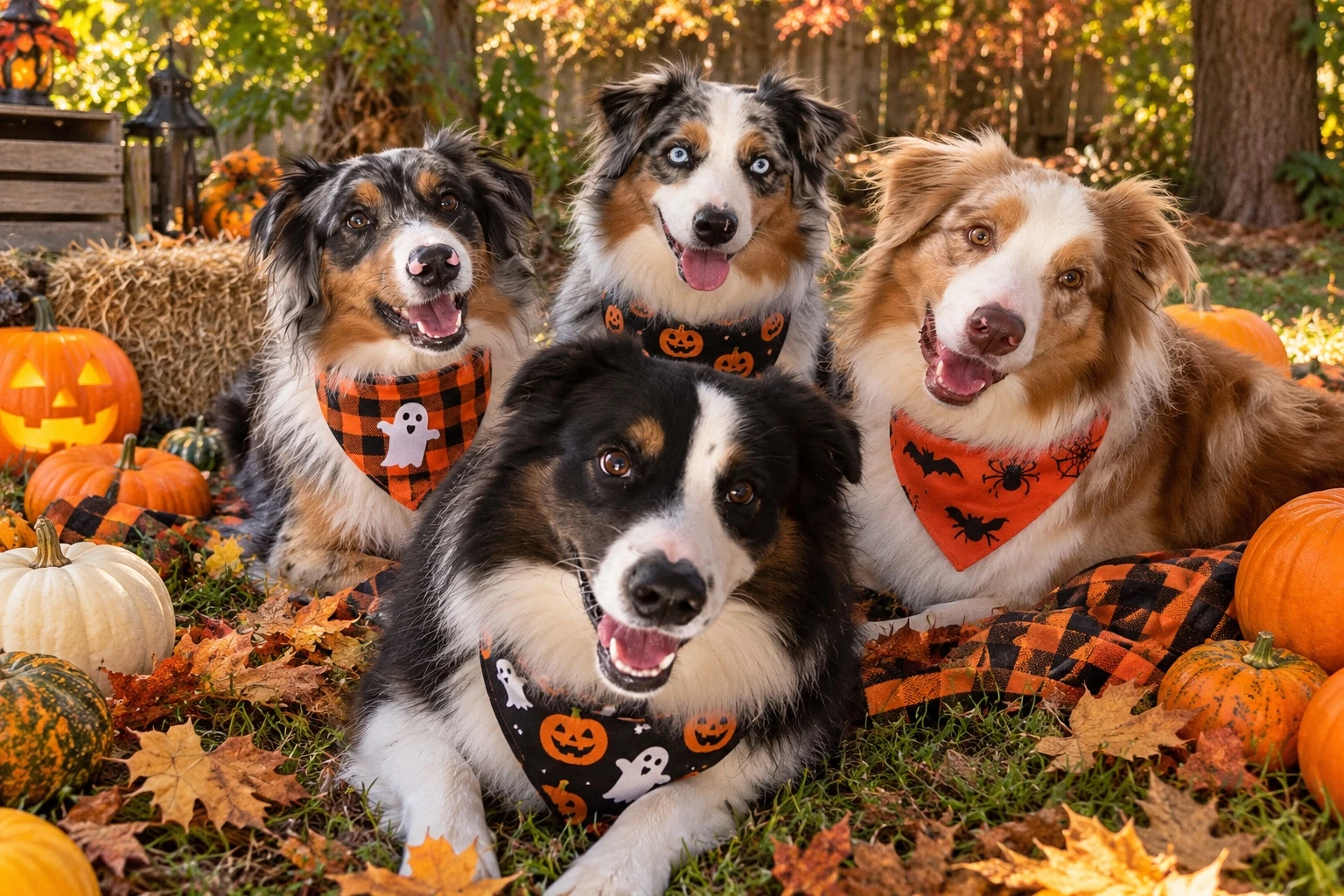
Halloween was practically invented for Australian Shepherds. There are people to watch, doors to supervise, strange outfits to inspect and an entire neighborhood moving around after dark. To an Aussie, that is not a holiday. That is a job opening.
The goal is not to make your dog tolerate every part of Halloween. It is to build a version of the night your dog can actually enjoy. One Aussie may love posing in a bandana and greeting calm visitors. Another may be happiest working on a frozen food toy in a back room while the doorbell loses its mind. Both dogs are doing Halloween correctly.
Give Your Aussie a Halloween Job
Decide the dog's role before sunset. A clear plan keeps an observant herding dog from inventing one at the busiest possible moment.
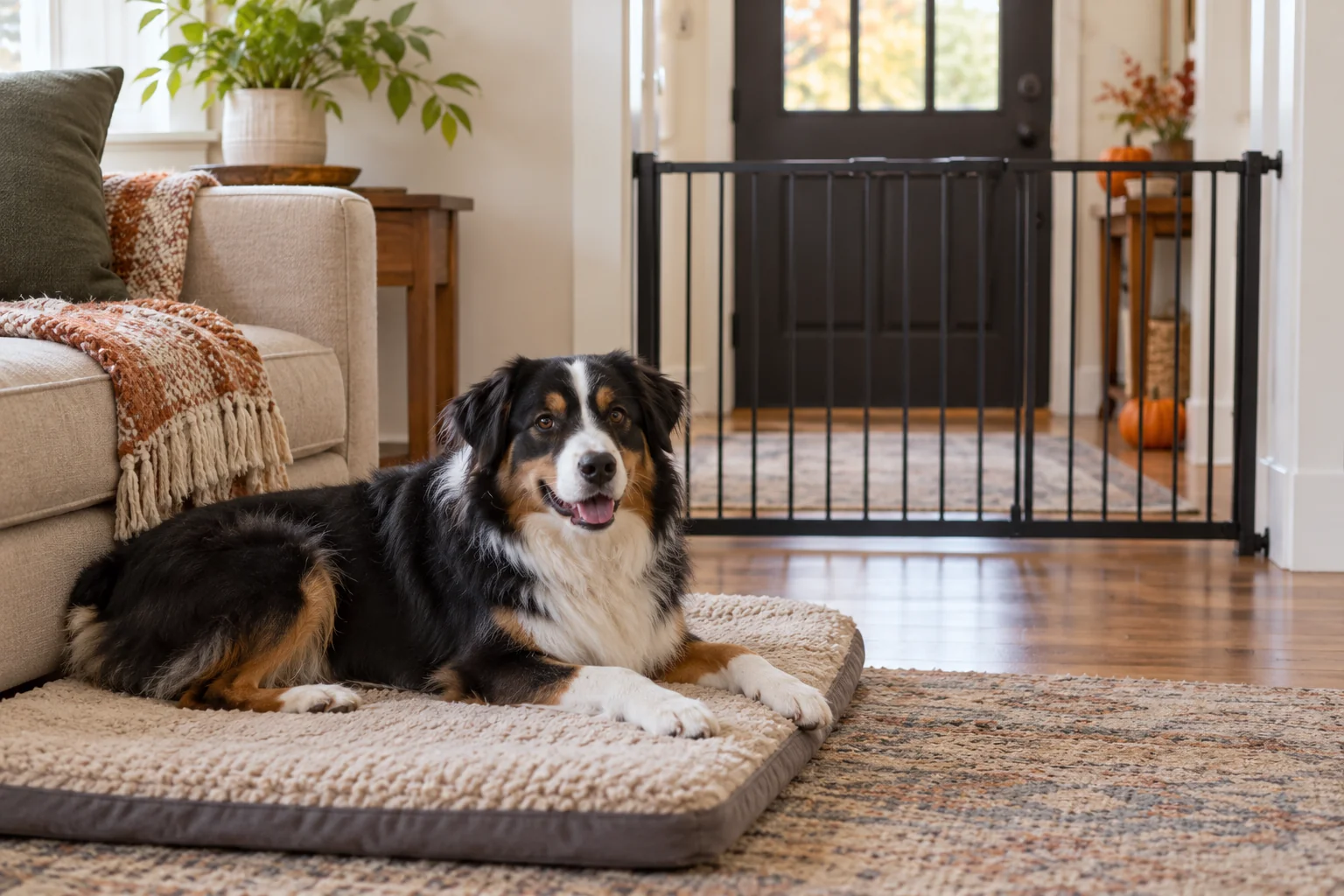
- Porch partner: settles on a mat behind a gate and watches from a safe distance.
- Photo star: joins the setup for five minutes, earns treats and retires before the crowd arrives.
- Walking buddy: takes an early, well-lit neighborhood stroll before peak trick-or-treat traffic.
- Treat inspector: works on a stuffed toy or snuffle activity in a quiet room.
- Off duty: skips the event entirely because calm is more important than participation.
The Costume Test: Cute Is Not the Same as Comfortable
Try any costume several days before Halloween. Let your dog sniff it, reward voluntary contact, put it on briefly and watch the dog—not the camera.
A safe costume must allow normal breathing, barking, panting, hearing, vision, walking and bathroom breaks. It should not twist, tighten or contain pieces the dog can chew off. Never leave a costumed dog unattended.
- Good signs: loose body, normal movement, taking treats and choosing to stay near you.
- Stop signs: freezing, frantic scratching, tucked posture, repeated lip licking, hiding or refusing food.
- The easiest win: a festive bandana attached safely to the collar or a lightweight cape that does not restrict the neck or legs.
Costume Ideas Built for Aussie Personality
The Neighborhood Sheriff
A plaid neckerchief and soft sheriff-style badge fit the Aussie who already believes the entire block reports to them. Skip metal pins and dangling pieces.
The Firehouse Duo
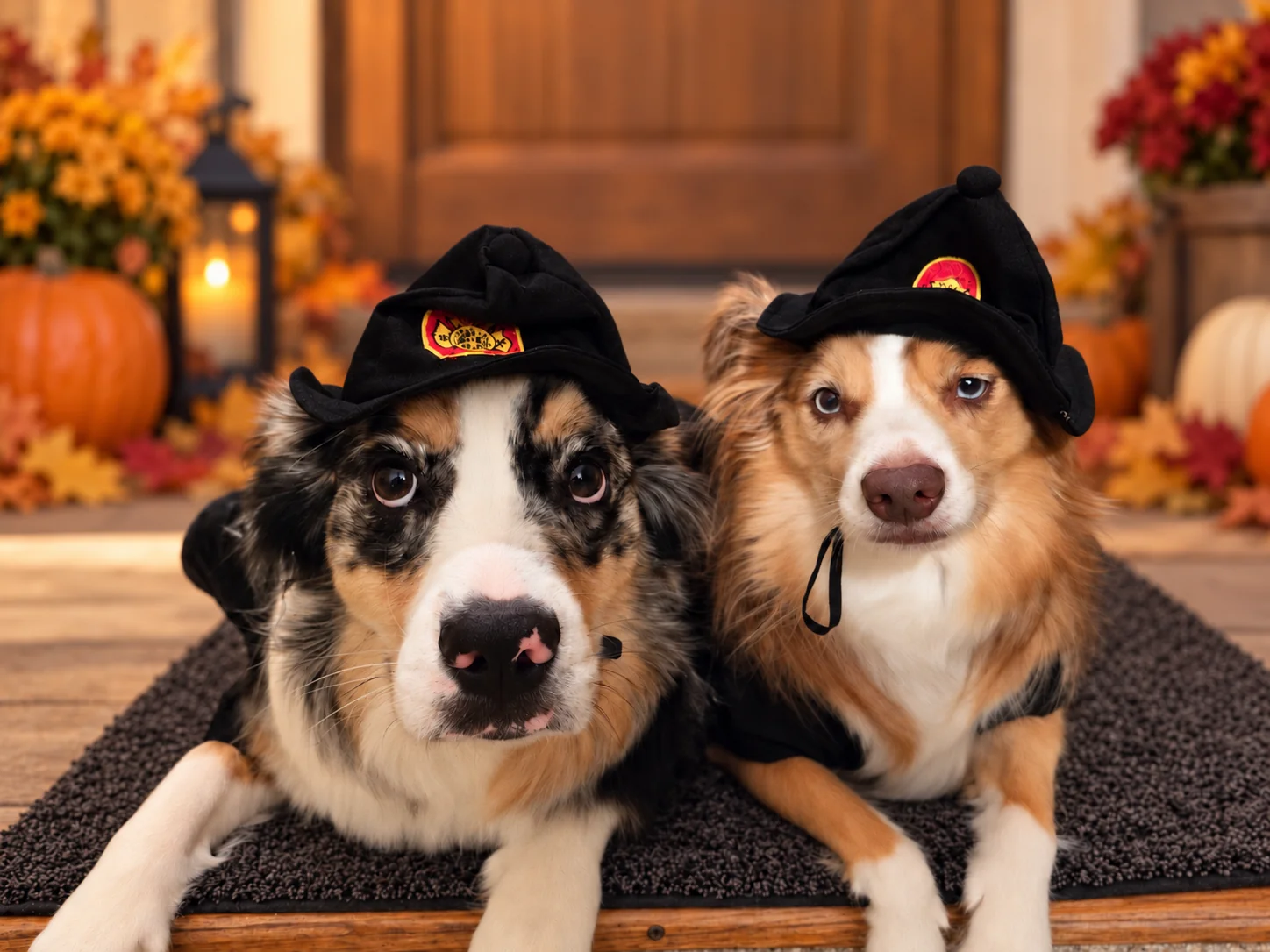
Jasper and Koa bring firehouse flair with matching costume hats. Keep any headwear brief and supervised, and remove it if it slips, covers the ears or eyes, or bothers your dog.
The Squirrel Patrol Officer
Use an orange bandana and a lightweight fabric patch. The joke works without covering the dog's head or turning the costume into equipment.
The Tiny Vampire
A short, loose cape makes the photo without blocking the ears, face or front legs. Remove it before active play or a walk.
Royal Duo: King and Queen
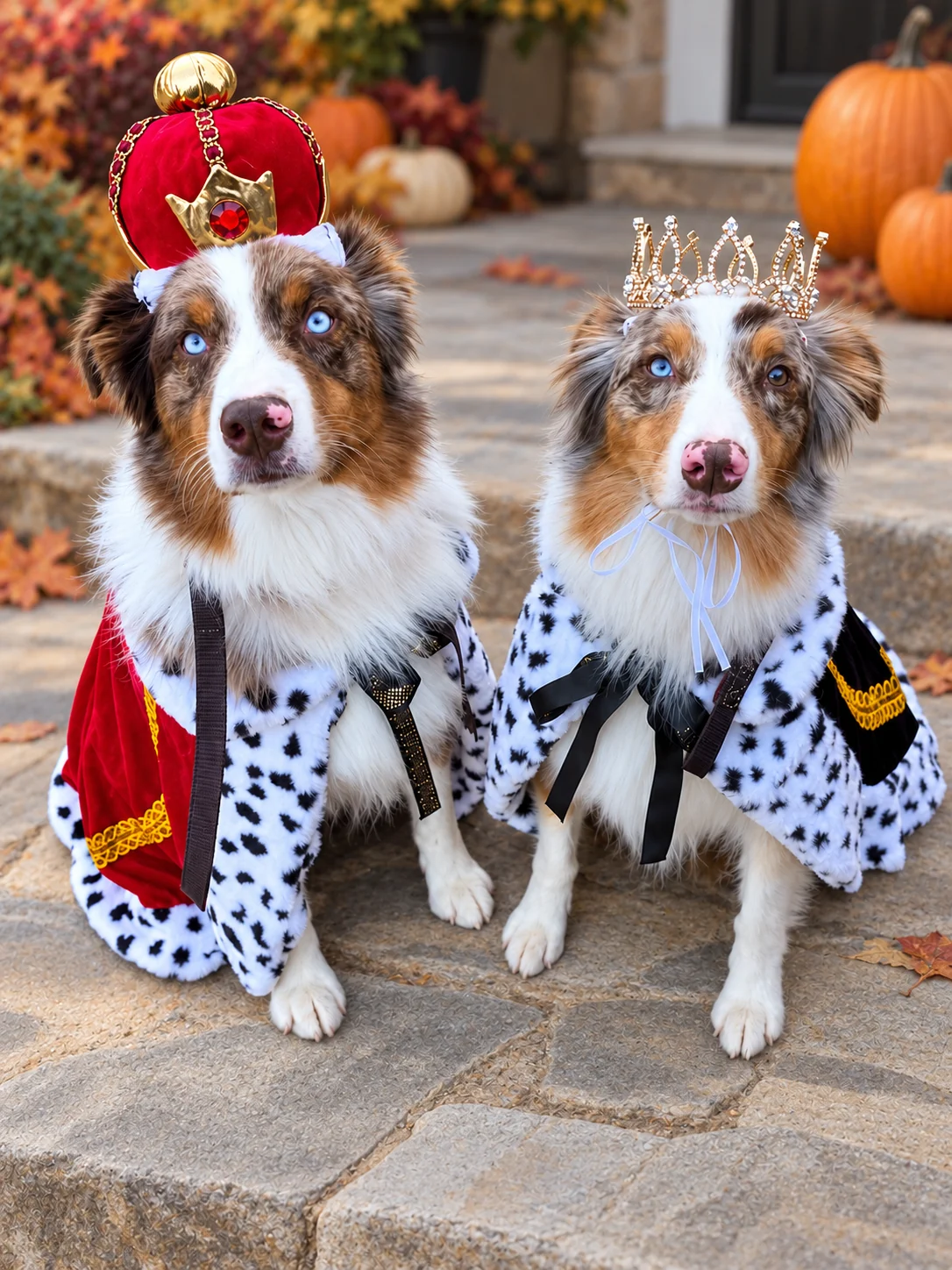
A matching king-and-queen look makes a fun costume for two Aussies. Benjamin and Bridget show how crowns and royal capes can turn a simple photo into a Halloween highlight.
The Birthday-Suit Pumpkin
For the dog who hates costumes, use a pumpkin-print collar or bandana. That is still a costume, and your dog gets full credit.
Build an Aussie-Safe Treat Bar
Use the dog's regular food or familiar training treats first. A holiday is a bad time to discover that a new rich snack does not agree with your dog.
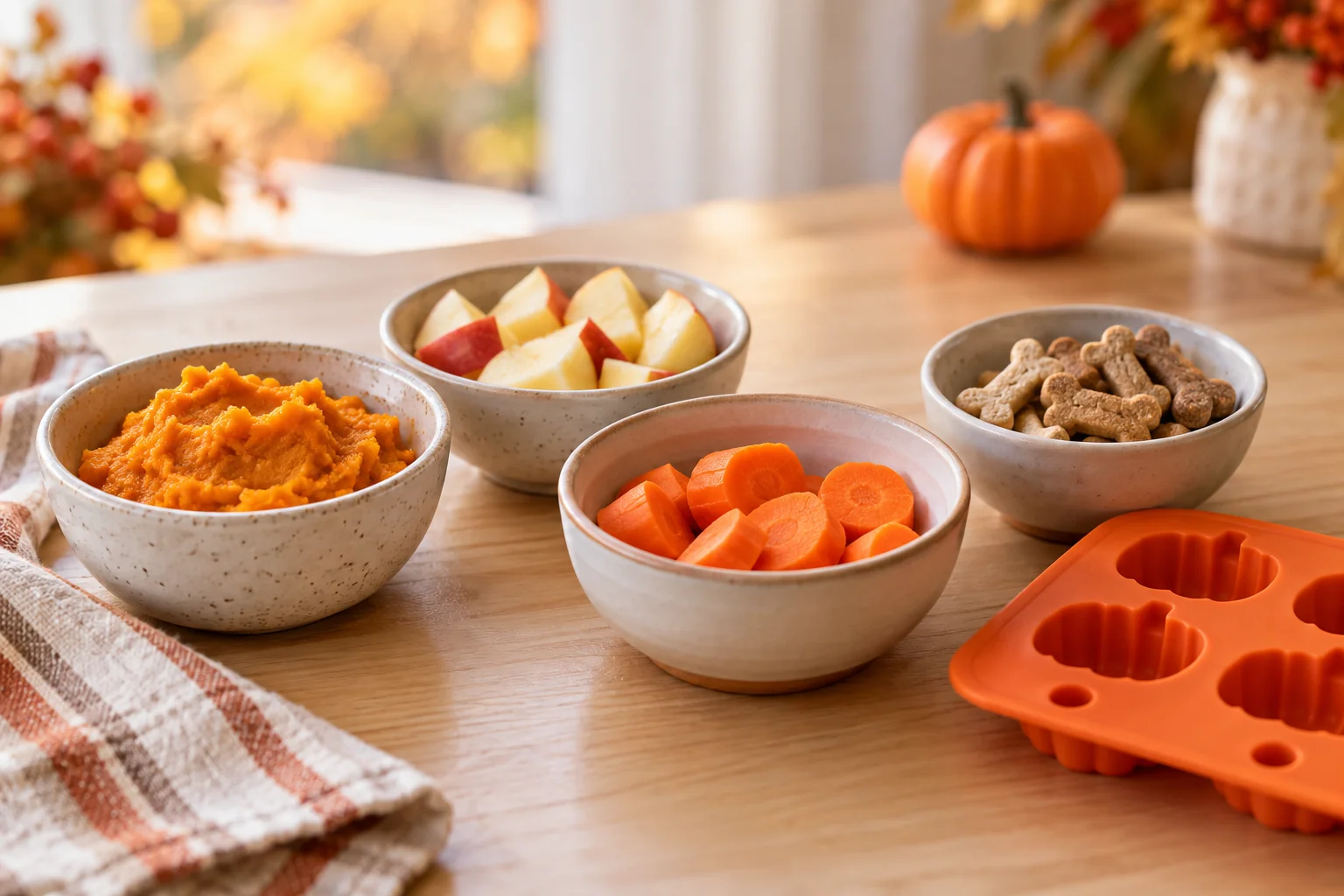
For a simple seasonal option, freeze small spoonfuls of plain 100 percent pumpkin in a silicone mold. Plain unsweetened yogurt can be mixed in for dogs that already tolerate dairy. Keep portions small and check with your veterinarian if your dog has allergies, digestive disease or a prescribed diet.
- Plain canned pumpkin—not pumpkin pie filling
- Small pieces of plain apple with the core and seeds removed
- Plain carrot slices or green beans
- The dog's usual small training treats tucked into a Halloween snuffle game
The Candy Bowl Is a Hard No
Chocolate and sugar-free candy containing xylitol can be dangerous or life-threatening to dogs. Raisins are also hazardous, and wrappers can cause choking or intestinal blockage. Put the candy in a closed cabinet—not merely on a table an athletic Aussie has already measured.
Do not wait for symptoms if your dog gets into candy. Save the package, estimate what is missing and call your veterinarian or an animal poison service immediately.
Win the Doorbell Game Before It Starts
Repeated knocking, costumes and people appearing at the threshold can turn an Aussie into a barking security system. Management is not failure. It is the professional move.
- Exercise and feed the dog before visitors arrive, but leave time to cool down.
- Use two barriers between the dog and the open front door whenever possible.
- Set up a bed, crate or quiet room with white noise and a familiar enrichment activity.
- If the dog stays near the action, use a leash and reward a practiced place cue away from the doorway.
- Make sure collar tags and microchip information are current before Halloween night.
If Your Aussie Goes Trick-or-Treating
Go early, keep the route short and leave while the dog is still successful. Costumed children, rolling decorations and sudden noises can feel very different after dark—even to a dog that normally loves the neighborhood.
- Use a secure, well-fitted harness and regular leash—not a retractable leash.
- Add a reflective collar, leash light or other visible gear.
- Bring familiar treats and create distance from crowded porches.
- Skip houses with loud props, fog machines or dogs rushing the fence.
- Turn around at the first sustained sign of stress. The route does not need a dramatic finale.
Create a Five-Minute Halloween Photo Booth
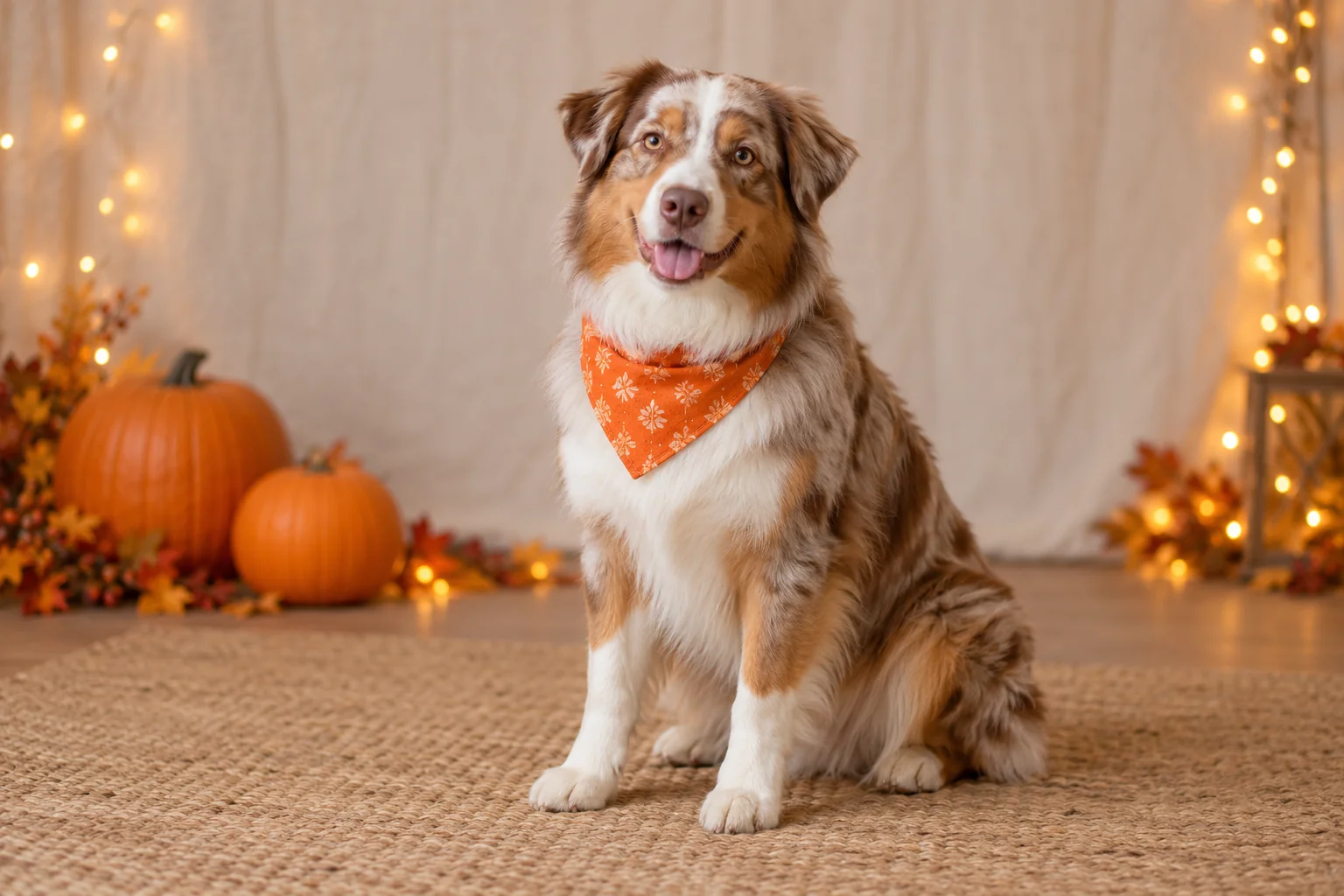
A good photo setup is faster and calmer than a full costume parade. Use a plain blanket, two or three pumpkins and warm battery-powered lights. Place the dog several feet in front of the background so the portrait feels polished instead of cluttered.
Ask for one behavior your dog already knows—sit, down, chin rest or place. Reward generously, take the costume off and end the session. The best expression usually appears after the formal posing is finished.
Decorations That Do Not Create an Emergency
- Use battery-powered lights instead of open flames around curious noses and moving dogs.
- Keep electrical cords, batteries, glow sticks and small plastic decorations out of reach.
- Anchor decorations that could fall when bumped or barked at enthusiastically.
- Block access to corn cobs, food displays and trash bags after the party.
- Introduce moving or noisy decorations in daylight before asking the dog to pass them at night.
The Halloween Decompression Plan
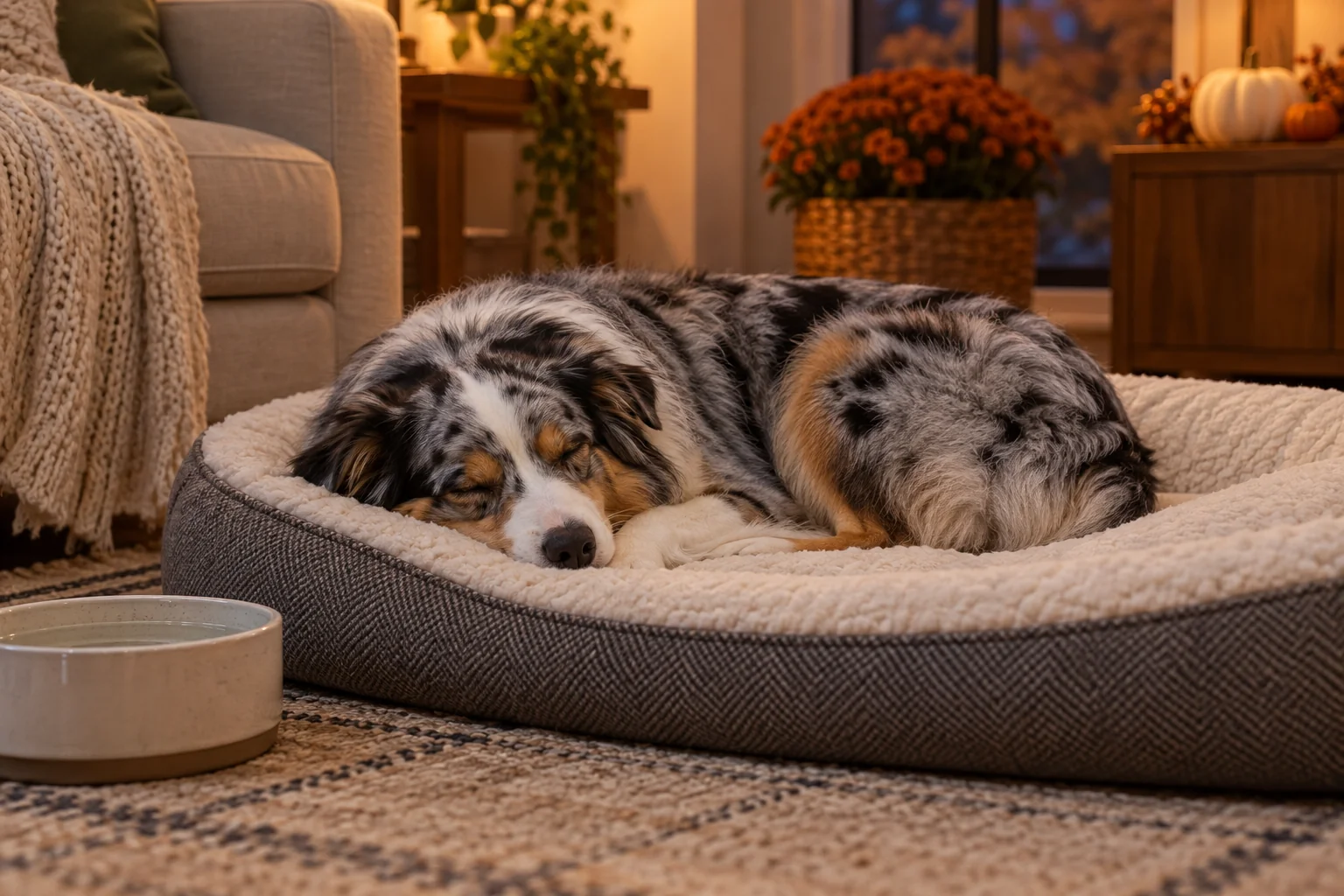
Aussies can stay switched on long after the porch lights go dark. Finish the night with a calm sniff break, water, a normal bathroom trip and something quiet to chew or lick. Skip another round of hard fetch. The objective is to bring the nervous system down, not squeeze one more activity into the holiday.
Know Who to Call
If your dog eats candy, raisins, wrappers or another questionable item, call your veterinarian or an emergency veterinary hospital immediately. For poison guidance in the United States, the ASPCA Animal Poison Control Center can be reached at 888-426-4435 and Pet Poison Helpline at 855-764-7661; consultation fees may apply.
Do not induce vomiting or give a home remedy unless a veterinary professional specifically tells you to do so.
FAQ
Common questions
- Is pumpkin safe for Australian Shepherds?
- Plain 100 percent pumpkin is commonly used as a small dog treat. Pumpkin pie filling is different and may contain sugar and spices. Introduce any new food cautiously and ask your veterinarian about individual dietary restrictions.
- What is the safest Halloween costume for an Aussie?
- For most dogs, a lightweight bandana or simple collar accessory is the lowest-stress choice. Whatever you use should leave movement, vision, hearing, breathing and panting completely unrestricted.
- Should my Australian Shepherd greet trick-or-treaters?
- Only if the dog can remain relaxed and there is a secure barrier from the open door. A quiet room with enrichment is the better plan for dogs that bark, guard, bolt or become overstimulated.
- Can my dog eat one piece of Halloween candy?
- No. Candy offers no benefit and may contain chocolate, xylitol, raisins or other dangerous ingredients. Give a dog treat instead.
Educational disclaimerThis article provides general educational information and is not a substitute for veterinary care. Ingredient safety and appropriate portions depend on the individual dog. Contact a veterinarian promptly if your dog eats candy, xylitol, chocolate, raisins, wrappers or another potentially hazardous item.
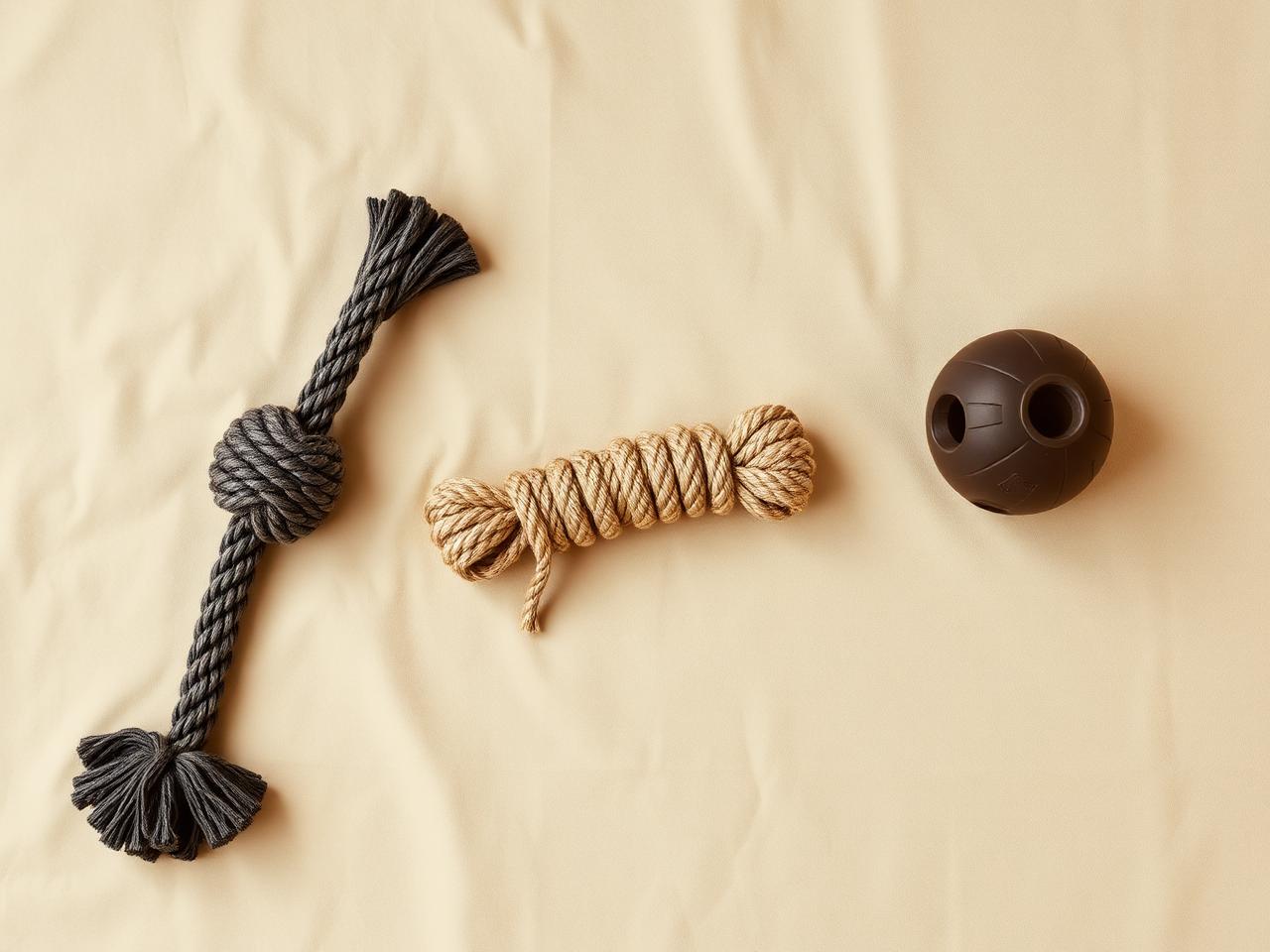
Best Enrichment Activities for Australian Shepherds
An activity list, not a shopping list — games that use what you already own and suit a herding brain.
Read More
A Practical Backyard Setup for Your Australian Shepherd
Start with secure boundaries and everyday routines, then add room to sniff, play, and rest.
Read MoreBest Toys for Australian Shepherds
Durability, brain work and safe play — how to choose toys that hold up to a high-drive herding breed.
Read MoreAs an Amazon Associate I earn from qualifying purchases.We may earn a commission when you buy through affiliate links in this guide. Read the full disclosure.