
Home & Backyard
A Practical Backyard Setup for Your Australian Shepherd
You do not need a backyard full of equipment. Start with the boundary, the weather, and the way your dog actually uses the space.
By The Aussie Standard · Updated October 2026
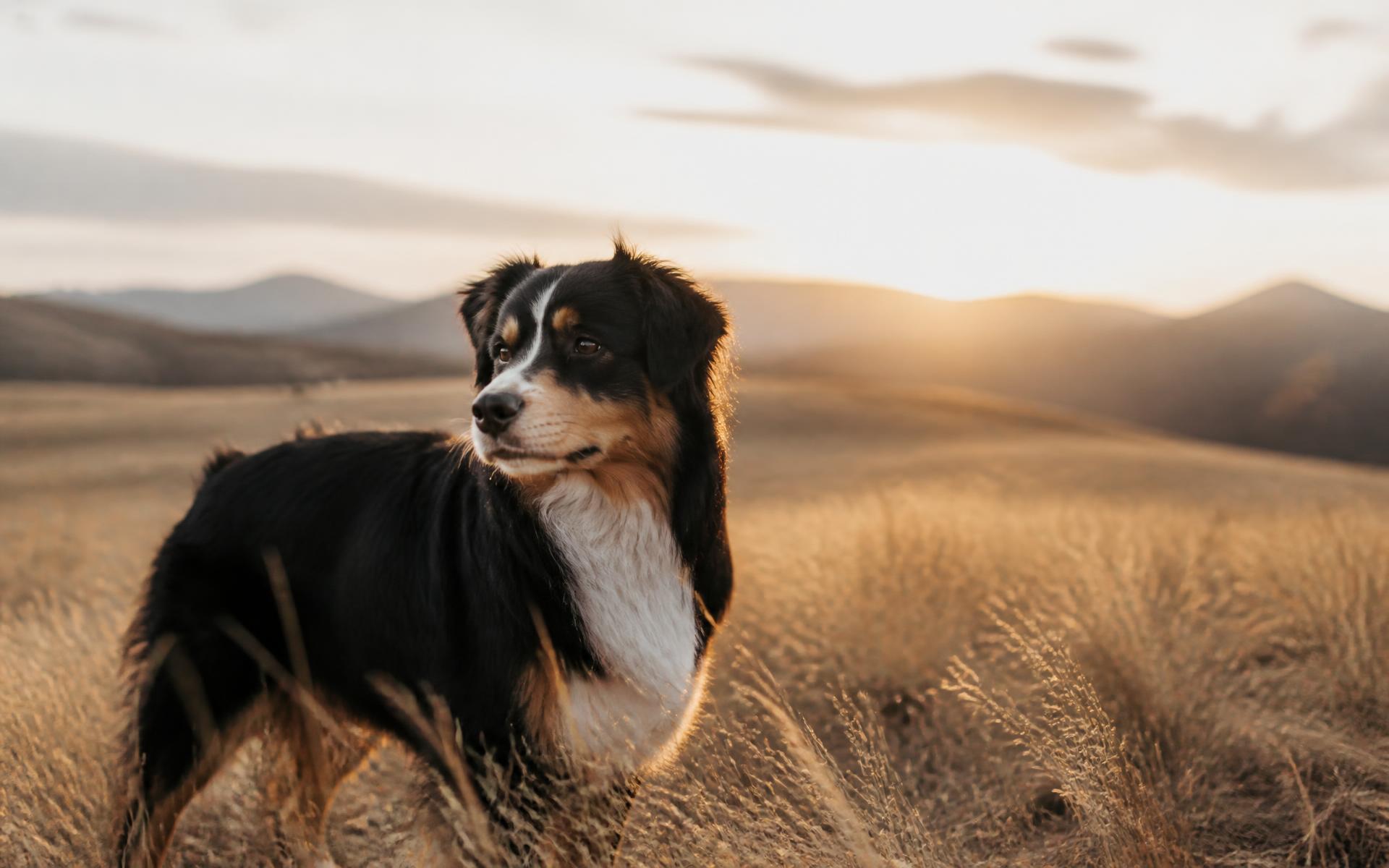
A backyard can be useful without being large or elaborate. A clear path to the door, a dependable gate, and somewhere to sit with your dog often matter more than another accessory.
Start by watching one ordinary outing. Where does your Aussie run? Where do the dogs crowd together? Which corner becomes muddy, and which gate do visitors use? Build around those observations. The aim is a space that works on a normal Tuesday, not just in a photograph.
Check the boundary first
Walk the entire perimeter and inspect it from your dog's height. Look for loose boards, gaps under gates, damaged mesh, exposed fasteners, and places where the ground has washed away. Check again after storms, repairs, or a contractor visit. A fence that was secure yesterday may not be secure today.
There is no single fence height that guarantees containment for every Aussie. Base the setup on your dog's size and observed jumping, climbing, or digging behavior. Get qualified fencing help when the existing boundary is not adequate; do not test it by leaving a dog outside alone.
Move furniture, stacked materials, and bins away from the fence where they could become stepping points. Make the gate latch easy for people to check and difficult to leave accidentally open. Before a visitor or lawn crew enters, bring the dogs indoors and keep them there until you have checked the yard again.
Plan for heat before planning play
Fresh drinking water and shade are essentials. Check where the shade falls at the time you actually go outside; a cool morning corner may be in full afternoon sun. Keep an indoor option available and shorten or skip outdoor activity when conditions are unsuitable.
The AVMA's warm weather guidance recommends cooler times of day for exercise, frequent breaks, and avoiding hot surfaces. Shade alone does not make strenuous play appropriate in hot weather.
Excessive panting or drooling, unsteadiness, abnormal gum color, or collapse can signal heat stress and require emergency veterinary care. Move your dog out of the heat and contact an emergency veterinarian immediately. Ask your regular veterinarian about your dog's particular heat risks before hot weather arrives.
Give the yard a simple layout
Think in terms of a few useful areas, even if they overlap in a small yard. Keep a clear route between the door and the toilet area. Choose an open patch for supervised play and a quieter place where you can pause together.
Put your chair where you can see the gate and the dogs without constantly standing up. Keep water somewhere accessible and away from the busiest running path. Store toys near the door so choosing one activity does not turn into a search through the shed.
For a small patio, concentrate on comfortable supervised time and a tidy entryway. You can do short training sessions or a simple search game without creating a miniature agility course. Match the activity to the space you have.
Make room for more than fetch
Choose one activity at a time: a few familiar cues, a search for a favorite toy, or a short game together. Leave room to stop. You do not have to fill every outdoor minute with movement.
Use suitable, intact toys and put them away when the session ends. For a search game, start with the toy somewhere easy to find on clear ground. Increase the challenge through placement rather than by hiding it among sharp debris, garden chemicals, or plants you have not identified.
Our Australian Shepherd enrichment guide has more ways to add purposeful activities. Use the daily exercise guide to think about the whole day, including walks and rest, rather than treating the yard as the entire routine.
Check plants, products, and stored supplies
Keep fertilizers, pesticides, and other garden products secured where dogs cannot reach them. Follow each product's instructions about keeping pets away from treated areas, and ask a lawn service exactly what it applied before letting the dogs back out.
Compost, buried bulbs, and cocoa mulch can also create hazards. The ASPCA's compost and fertilizer guidance explains why access should be restricted. Do not assume that a product is harmless because it is natural or intended for gardens.
Identify existing plants before your dog has access to beds and pots. If you suspect an ingestion, contact your veterinarian or animal poison control promptly and keep the product label or a plant photo available. Do not wait for symptoms to decide whether to ask for help.
Make the doorway work for multiple dogs
With several Aussies, the doorway can become the busiest part of the yard. Decide how you will let them out and bring them back in before opening the door. If the group crowds or rushes, use smaller groups or individual turns that you can manage calmly.
Give each dog room during toy sessions. If one dog guards a ball or another cannot disengage from chasing, separate the activities instead of expecting them to sort it out. Persistent conflict deserves help from a qualified behavior professional.
A shared yard does not mean every dog needs the same outing. One may want a short game while another is ready to go inside. Our multi-Aussie household guide covers more ways to organize daily life around individual dogs.
Keep cleanup close to the door
Create a small entry station with washable towels, a stable mat, and a place for leashes. Store cleaning products out of reach. Keep the path clear so you can handle muddy paws without balancing supplies or stepping over toys.
Pick up waste regularly, empty and clean bowls, and remove broken toys or yard debris. Notice where water pools and where the dogs wear a path into mud. Fix the recurring trouble spot before buying something to cover the mess.
The best setup is one you can reset easily. At the end of an outing, bring the dogs in, put the toys away, and leave the next trip outside simpler than the last.
Your first backyard walkthrough
Before spending money, take this short list outside. Address the first unresolved item before adding another feature.
- Boundary: Are the fence, gate, latch, and ground beneath them intact?
- Access: Can you manage the door and bring every dog back indoors?
- Comfort: Is there fresh water and usable shade at today's outing time?
- Hazards: Are garden products, tools, compost, and damaged toys inaccessible?
- Layout: Is there a clear path and enough room for your planned activity?
- Cleanup: Are towels and waste supplies ready where you use them?
Sources and further reading
Safety sources checked October 7, 2026. The layout and organization suggestions above are practical planning ideas, not a certification that an individual yard is safe.
- AVMA: Warm weather pet safety — heat precautions, water, shade, surfaces, and garden products.
- ASPCA: Compost and fertilizer pet safety — compost, fertilizers, bulbs, and cocoa mulch.
Educational disclaimerThis guide provides general educational information. Consult your veterinarian about health concerns and suspected toxin exposure, and a qualified professional about fencing or persistent behavior problems.
The Complete Australian Shepherd Enrichment Guide
The cornerstone guide to keeping a herding brain occupied — what enrichment actually is, how much an Aussie needs, and how to build a week you can sustain.
Read MoreHow Much Exercise Does an Australian Shepherd Need? A Realistic Daily Guide
Australian Shepherds need daily movement, mental work, and practice settling. Here is how to build a routine that meets the breed without creating an athlete who never switches off.
Read More
Living With Multiple Aussies
Routines, feeding, space and organization when the household runs on more than one Australian Shepherd.
Read More